Whether you are a first-time dog owner in Warwick or a seasoned pet parent looking to brush up on best practices, getting your dog's walking routine right makes all the difference. From the rolling Warwickshire countryside to the parks and pavements of Leamington Spa, here is our complete guide to keeping your dog happy, healthy, and well exercised.
How Often Should You Walk Your Dog?
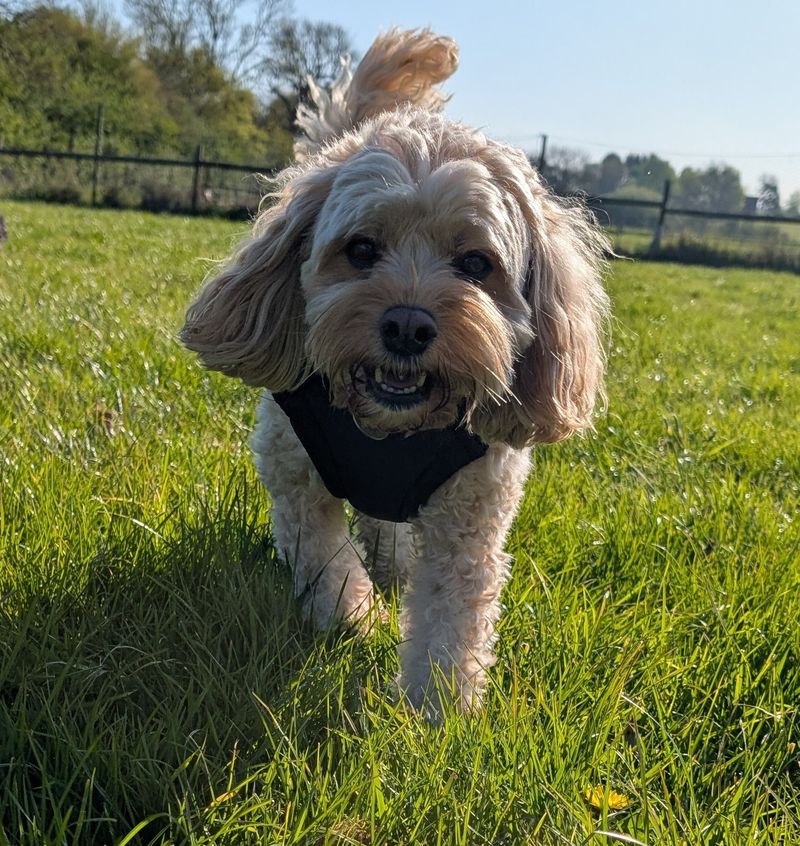
This is one of the most common questions we hear from dog owners in Warwick. The short answer is that most adult dogs need at least two walks per day — typically one in the morning and one in the afternoon or early evening. Each walk should last between 20 and 60 minutes depending on your dog's breed, age, and energy levels.
Puppies have different requirements. A good rule of thumb is five minutes of structured exercise per month of age, up to twice a day. So a four-month-old puppy would benefit from two 20-minute walks daily. High-energy breeds such as Border Collies, Springer Spaniels, and Labrador Retrievers often need more — sometimes three walks or one longer walk combined with active play sessions.
It is also worth remembering that a tired dog is a happy dog. Regular, consistent walking prevents boredom, reduces anxiety, and strengthens the bond between you and your pet. If your schedule does not allow for two walks every day, a professional dog walker in Warwick can step in to ensure your dog gets the exercise they need.
Lucy's Tip: Consistency is key. Dogs thrive on routine, so try to walk your dog at roughly the same times each day. This helps with toilet training, reduces anxiety, and gives your dog a sense of security.
Tips for Walking Dogs in the Warwickshire Countryside
Warwickshire is blessed with beautiful countryside — from the gentle hills of the Cotswolds fringe to the open farmland around Warwick and Leamington Spa. Walking your dog in these areas is a joy, but it comes with responsibilities.
Respect farmland and livestock. During lambing season (typically March to May) and calving periods, keep your dog on a lead around sheep and cattle. A dog chasing livestock is distressing for the animals and can result in legal consequences under the Dogs (Protection of Livestock) Act 1953.
Stick to public footpaths and bridleways. Warwickshire has an extensive network of public rights of way. Always check a map before heading out and keep your dog under close control. Crop fields should be crossed only on designated paths to avoid damaging crops.
Plan for stiles and gates. Many countryside routes include stiles that dogs cannot easily cross. Look for routes with dog-friendly gates or kissing gates, or be prepared to lift your dog over. If your dog is nervous about being lifted, solo walks can help build their confidence in a controlled setting.
Wildlife awareness. Warwickshire is home to deer, foxes, badgers, and ground-nesting birds. During bird nesting season (March to August), keep dogs on leads on heathland and in woodland to protect vulnerable species.
Seasonal Dog Walking Advice for Warwickshire
Summer Heat
Summer in Warwickshire can be surprisingly warm. The most important rule is never to walk your dog in the middle of the day when temperatures peak. Walk early in the morning or late in the evening when pavements are cool enough for sensitive paw pads. A simple test: place the back of your hand on the pavement for five seconds. If it is too hot for your hand, it is too hot for your dog's paws.
Always carry water for both you and your dog. Signs of overheating include excessive panting, drooling, lethargy, and unsteadiness. If you see these signs, stop walking immediately, find shade, and offer water.
Winter Mud and Cold
Winter walks in Warwickshire bring plenty of mud, especially on the countryside paths around Leamington Spa. Mud can hide sharp objects, so check your dog's paws after every walk. A muddy coat should be rinsed off to prevent skin irritation. Consider a dog-safe paw balm to protect against grit and salt on roads.
Shorter-coated breeds like Whippets, Staffies, and French Bulldogs feel the cold more than thick-coated dogs. A well-fitting dog coat can make a world of difference on frosty mornings. If your dog is shivering or reluctant to walk, cut the walk short and head home.
Autumn Leaves and Harvest
Autumn brings beautiful colours to Warwickshire but also hidden dangers. Fallen leaves can hide fungi, acorns, and conkers — all of which can be toxic to dogs if eaten. Keep a close eye on what your dog is sniffing and picking up. Harvest time means farm machinery moving around countryside paths, so keep dogs on leads near active fields.
Lucy's Tip: In any season, towel-dry your dog thoroughly after muddy or wet walks. This prevents skin infections and keeps your home clean. A dedicated dog towel by the back door is essential for every Warwick dog owner.
Off-Lead vs On-Lead — When It Is Safe
One of the greatest joys of dog ownership is watching your dog run free. But off-lead freedom comes with responsibilities. Only let your dog off the lead when:
- Your recall is rock solid. Your dog should return to you reliably every time, even when distracted by other dogs, wildlife, or interesting smells. If recall is still a work in progress, one-to-one walking is a great way to practise in a controlled environment.
- You are in a safe, legal area. Check for signs about local byelaws. Many parks have designated on-lead areas.
- There is no livestock nearby. Even a well-trained dog can instinctively chase sheep. During lambing season, always use a lead on farmland.
- Your dog is comfortable with other dogs. Not every dog enjoys meeting strange dogs. Be respectful of other owners and their dogs — if the other dog is on a lead, it is usually a sign that the owner wants space.
For dogs that cannot be trusted off-lead yet — or for owners who want complete peace of mind — our private secure field in the Warwickshire countryside offers a fully enclosed space where dogs can run free without any risk.
Socialisation Tips for Puppies
The first few months of a puppy's life are critical for socialisation. The key socialisation window closes at around 16 weeks, so early positive experiences matter enormously. Here is how to set your puppy up for success:
- Start early and go slowly. After their first vaccinations, introduce your puppy to new sights, sounds, and surfaces gradually. Short, positive exposure is far better than overwhelming them.
- Meet friendly, vaccinated dogs. Controlled introductions with calm, well-socialised adult dogs teach puppies canine communication skills. Group walks with carefully matched dogs are excellent for this once your puppy is ready.
- Expose them to everyday experiences. Traffic, bicycles, prams, joggers, and other typical Warwick sights should all be introduced in a positive, controlled way. Carry treats and reward calm behaviour.
- Use a long line for early training. A long training line (5-10 metres) gives your puppy controlled freedom while you practise recall in a safe environment before attempting off-lead walks.
Lucy's Tip: Puppy classes in Warwick and Leamington Spa are a brilliant investment. They provide structured socialisation in a safe environment and give you professional guidance on training, behaviour, and confidence-building.
Signs Your Dog Needs More Exercise
Not every dog tells you clearly when they need more exercise, but there are common behavioural signs that indicate your dog is under-exercised:
- Destructive behaviour — chewed furniture, shredded cushions, or dug-up gardens are classic signs of pent-up energy.
- Restlessness and pacing — a dog that cannot settle, constantly moving from room to room, often needs more physical activity.
- Excessive barking or whining — boredom and frustration frequently manifest as noise.
- Hyperactivity — bouncing off walls, jumping up constantly, and an inability to calm down even after a walk.
- Weight gain — if your dog is putting on weight despite eating the same amount, the balance of calories in versus calories out has shifted.
- Trouble sleeping at night — an under-exercised dog may be restless at night rather than sleeping soundly.
If you recognise any of these signs, try increasing walk duration, adding an extra walk, or incorporating more off-lead running time in a secure field. Mental stimulation — such as puzzle toys, training sessions, and sniffing walks — also tires dogs out just as effectively as physical exercise.
Preparing Your Dog for a Walk with a New Walker
Starting with a new dog walker can be an anxious time for both you and your dog. At Lucy's Walks for Paws, we make this transition as smooth as possible. Here is how to prepare:
- Arrange a meet-and-greet. Always introduce your dog to the walker in your own home before the first walk. This allows your dog to meet the walker in a safe, familiar environment while you are present.
- Share your dog's routine. Tell the walker about your dog's usual walking times, favourite routes, any fears or triggers, and how they behave around other dogs and people.
- Provide familiar equipment. Your dog's own harness, collar, lead, and a favourite toy or treat will make the experience feel more normal.
- Disclose medical information. Allergies, medications, injuries, and dietary requirements must be shared with the walker before any walk takes place.
- Start with a trial walk. A short solo walk with the new walker is often the best way to build your dog's confidence. Once your dog is comfortable, group walks can be introduced gradually.
Health Benefits of Regular Walking for Dogs
Regular walking is the single best thing you can do for your dog's physical and mental health. The benefits go far beyond simple exercise:
- Weight management. Obesity is one of the most common health problems in UK dogs. Regular walking maintains a healthy weight and reduces the risk of diabetes, joint problems, and heart disease.
- Joint and muscle health. Consistent, low-impact exercise keeps joints flexible and strengthens muscles. This is particularly important for breeds prone to hip dysplasia such as Labradors and German Shepherds.
- Digestive health. Walking stimulates the digestive system and helps regulate bowel movements. A walk after meals aids healthy digestion.
- Mental stimulation. The smells, sights, and sounds of a walk provide essential mental enrichment. Sniffing, in particular, is mentally tiring for dogs — a 20-minute "sniff walk" can be as satisfying as an hour of structured exercise.
- Behavioural balance. Well-exercised dogs are calmer, more relaxed, and less likely to develop behavioural problems. A tired dog really is a good dog.
- Bonding. The time you spend walking together strengthens your relationship. Shared positive experiences build trust and deepen your connection with your pet.
How to Choose a Dog Walker in Warwick and Leamington Spa
Choosing the right dog walker is one of the most important decisions you will make for your pet. Here is what to look for:
- Insurance. Always choose a dog walker with full public liability insurance. This protects you, your dog, and the walker in the unlikely event of an accident. Do not be afraid to ask for proof of insurance.
- Experience and knowledge. A good dog walker understands canine body language, knows how to manage group dynamics, and can spot early signs of distress or illness in dogs.
- Positive reviews and references. Check Google reviews, Facebook recommendations, and ask for references from local dog owners. A reputable walker will be happy to share them.
- A clear approach to safety. Ask about their policy on off-lead walking, how they match dogs for group walks, and what happens in an emergency. The right walker will have clear, thoughtful answers.
- Flexibility and communication. The best dog walkers are flexible with scheduling, communicative about your dog's day, and proactive in sharing updates and photos.
- Genuine love for dogs. This may be harder to quantify, but it is the most important quality. A truly caring dog walker treats every dog as if they were their own.
At Lucy's Walks for Paws, we tick every one of these boxes. Fully insured, 5.0-star rated on Google with 19 reviews, and dedicated to providing the highest standard of care for every dog we walk. Get in touch to arrange a free meet-and-greet.
Frequently Asked Questions About Dog Walking
How many times a day should I walk my dog?
Most adult dogs benefit from at least two walks per day — typically one in the morning and one in the afternoon or early evening. Each walk should last between 20 and 60 minutes depending on your dog's breed, age and energy levels. Puppies need more frequent, shorter walks: roughly five minutes of exercise per month of age, up to twice a day. High-energy breeds like Border Collies, Springer Spaniels and Labradors often need more. See the section above for our full detailed breakdown by age and breed.
Is it safe to let my dog off the lead in Warwickshire?
Yes, but only in safe, appropriate areas. During lambing season (March to May) and bird nesting season (March to August), it is essential to keep dogs on leads near livestock and wildlife — a dog chasing sheep can cause serious harm and carries legal consequences. Always check signs and respect farmland. For worry-free off-lead running, our private secure field in the Warwickshire countryside is always available. Many of our clients combine on-lead countryside walks with off-lead time in the field for the best of both worlds.
How do I prepare my dog for walking with a new walker?
Start with a meet-and-greet in your own home so your dog can meet the walker in a familiar, safe environment while you are present. Share your dog's routine, favourite routes, any fears or triggers, and how they behave around other dogs. Provide familiar equipment such as their own harness and collar, and disclose all medical information including allergies and medications. A short trial solo walk is the best way to build confidence before progressing to group walks. At Lucy's Walks for Paws, we guide you through every step of this process for a smooth transition.
What should I look for in a Warwick dog walker?
Full public liability insurance is non-negotiable — always ask to see proof. Look for positive client reviews on Google, clear safety policies, experience with group dynamics and canine body language, and flexibility to adapt walks to different dogs' needs. A professional walker will always offer a free meet-and-greet before any walks begin, giving you a chance to ask questions and see how they interact with your dog. At Lucy's Walks for Paws, we are fully insured, 5.0-star rated on Google, and dedicated to the highest standard of care.
How can I tell if my dog needs more exercise?
Common signs include destructive behaviour such as chewed furniture or shredded cushions, restlessness and pacing, excessive barking or whining, weight gain, hyperactivity, and trouble sleeping through the night. If you spot these signs, try increasing walk duration, adding an extra walk, or incorporating more off-lead running time in a secure area. Mental stimulation such as puzzle toys, training sessions and sniffing walks is just as important as physical exercise — a combination of both usually provides the best results for an under-exercised dog.
What areas do you cover for dog walking?
We cover Warwick, Leamington Spa, Whitnash, Cubbington, Lillington, Woodloes, Milverton, Sydenham and all surrounding Warwickshire villages. If you are unsure whether we cover your area, just get in touch — we may be able to help even if you are just outside our usual coverage zone. We are always happy to discuss new areas and regularly review our service boundaries to accommodate as many dogs and their owners as possible. Contact us to check your postcode and find out about availability in your area.